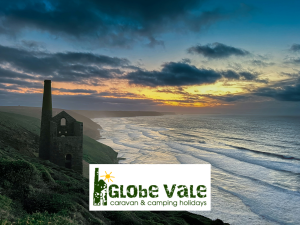
As one of the UK’s largest charitable organisations, the National Trust manages a host of beautiful heritage attractions in Cornwall. Founded in the 19th century, the Trust aims to preserve and care for historic places, where people and nature can thrive together.
Millions of members share the view that history, nature and beauty are for everyone. With this in mind, the Trust looks after Britain’s coast, countryside, historic sites, houses and green spaces, so they can continue to be enjoyed by future generations.
History of the National Trust
The story of the National Trust began in 1884, when social reformer Octavia Hill was asked to help preserve historic Sayes Court garden in Deptord, south east London. It had been founded in 1653 by John Evelyn.
Heritage enthusiasts wanted to protect the six-acre site and launch a museum in the old house. There wasn’t an organisation to lead such a campaign, so Hill consulted lawyer Sir Robert Hunter and Canon Hardwick Rawnsley to spearhead efforts.
However, property owner William John Evelyn, a descendant of the original owner, set an impossible deadline. He dedicated 1.5 acres for a public park instead, with a playground and bandstand. While the park still exists today, sadly, the house didn’t survive World War II.
Despite not managing to preserve the original six-acre gardens and house, the three heritage campaigners officially formed the National Trust in 1895, which obtained its first heritage site, five acres of clifftops at Dinas Oleu in Wales, the same year.
The National Trust bought its first building, Alfriston Clergy House in East Sussex, for £10 in 1896, followed by its first nature reserve, comprising two acres of Wicken Fen, near Cambridge, in 1899.
Today, the Trust has 5.37 million members, 10,000 staff and 50,000 volunteers, making it Europe’s largest conservation charity. It cares for more than 250,000 hectares of farmland, 780 miles of coastline and around 500 historic properties, nature reserves and gardens.
Initially founded as a private charity, it has been backed by various Acts of Parliament over the years to create its current status. Once property and land are donated to the National Trust, it belongs to the organisation forever and can never be sold.
The Trust has the unique power to maintain the sites with this proviso for the benefit of nature and the public and offers access to historic attractions that would otherwise be under threat, with the aim of enriching people’s lives and saving wildlife.
National Trust in Cornwall
The National Trust preserves many locations in Cornwall and also protects 185 miles of the South West Coast Path. More than half of the Cornish coast is owned by the Trust, which has also preserved its rich industrial heritage, thanks to the acquisition of fishing coves and tin mining sites.
Many famous television series have been filmed at National Trust sites such as Downton Abbey, Game of Thrones, Harry Potter and Poldark, which was filmed at Bodmin Moor, in north east Cornwall.
All income from filming location fees supports the Trust’s conservation work. The charity also receives funding from the National Lottery Heritage Fund, the Arts Council and the National Lottery Community Fund. Entrance fees collected at some of its attractions are ploughed back into its conservation work, and individuals make donations and leave legacies in their wills.
Cornwall is blessed with some of the UK’s finest natural countryside and seascapes. It also boasts many National Trust properties that the public can visit.
1. East Pool Mine, Redruth
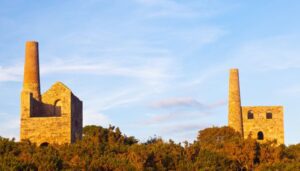
If you’ve ever wanted to step back in time to the 1700s, a visit to East Pool Mine, on Agar Road, Redruth, fits the bill. Mining was the main industry in the 18th century, so you can immerse yourself in the lives of the people who used to work there, in an era mirrored by the TV drama series, Poldark.
The site is currently run with the help of local community partnerships and is located approximately four miles from Globe Vale Holiday Park, which is an ideal base for your day trips to Cornwall’s beautiful National Heritage sites.
2. Lanhydrock, Bodmin
Located around 32 miles away from Globe Vale Holiday Park, this magnificent late Victorian country house, with its picturesque garden and wooded estate, is a prime National Trust property located in Bodmin. The mansion house is surrounded by a colourful formal garden famed for its displays of magnolias and herbaceous borders.
There are plenty of woodland cycle trails, ranging from easy family-friendly routes to exciting mountain bike slopes.
3. Pentire, Wadebridge
Wadebridge was once known as a thriving market town in the days when livestock were sold here, although today, it’s better known for its arts and crafts shops.
Pentire is a stunningly beautiful headland, with breathtaking views and plenty of wildlife. This distinctive stretch of coast is a former Iron Age settlement, accessible by coastal paths. Pentire Point, the tip of the headland, has an abundance of birdlife and wildflowers, with stunning views across Padstow Bay.
Pentire is around 38 miles from Globe Vale Holiday Park, making it an ideal destination for a day out.
4. Trelissick, Truro
Built in the 1750s, Trelissick House is surrounded by the tranquil Cornish countryside including a historic park, the River Fal, woodlands, an 18th century quay and the remains of an Iron Age fort.
There are also shops selling local products, gifts and plants, while visitors can browse Cornwall Crafts Association’s gallery and one of the National Trust’s largest book shops, where all the proceeds are donated to local conservation projects. Located only around 11 miles from Globe Vale Holiday Park, Trelissick provides indoor and outdoor fun for people of all age groups.
5. Godolphin Estate, Helston
Godolphin is one of the UK’s most important Grade II-listed medieval gardens on the national Register of Parks and Gardens. The Estate spans more than 500 acres of Cornwall’s finest countryside. Riverbanks, sheltered woods and historic Godolphin Hill lie within the UNESCO World Heritage Site.
Around 12 miles from Globe Vale Holiday Park, Godolphin House is a Grade I-listed building dating from the late 1400s, with some later additions. The Grade II-listed farm buildings demonstrate the changes that have taken place at Godolphin, transforming it from a luxurious private house into a tenanted farm.
Celebrating Cornwall with the National Trust is a great way to spend a holiday, whether it’s a weekend away, or a longer break. There’s so much to do for all the family – including your 4-legged friends, who are more than welcome to stay at our 5* facilities.