© Lopolo / Shutterstock.com
Spending time outdoors in a natural environment can benefit children with disabilities such as autism and Down Syndrome, according to new studies.
A body of research known as the biophilia hypothesis suggests people of all ages need contact with the natural world in to thrive.
Based on the theory that we’re attracted to nature because of our genetic make-up, the studies suggest that particularly children with special needs can reap the rewards of the great outdoors.
There are many benefits of nature, one of the most important being helping to educate young people about the natural world.
The idea of the biophilia hypothesis was first discussed by the American naturalist, biologist and ecologist Edward Osborne Wilson in his 1984 book, Biophilia. He put forward the theory that people have an inbuilt need and love for nature, and so being outdoors enhances both our physical and emotional wellbeing.
Autism and nature
Families with children with autism spectrum disorder, who will typically struggle if their daily routine is broken, can sometimes find taking a holiday challenging. Having a child with ASD causes some parents to dread holidays, as they tend to identify barriers rather than the benefits of spending time in a new environment.
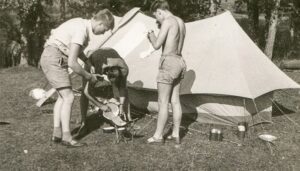
However, when it’s done well, with careful planning, camping with autism can be a positive and enjoyable experience, as it gives parents, carers and kids a chance to connect with nature and with each other. Being freed from the daily schedules and chores can actually be relaxing.
Camping for families UK-wide is a cheaper holiday than many others, and being surrounded by nature also brings peace and quiet, with none of the distractions associated with a city break.
Research shows spending time outdoors in a tranquil environment is calming and can help children deal more easily with the change.
The National Survey of Children’s Health looked at the needs of kids aged six to 17, noting that those with autism and other disabilities were more likely to have behavioural problems. The study in 2021 revealed being in a natural outdoor environment, surrounded by greenery and trees, significantly reduced the behavioural issues.
Being able to observe their surroundings, and particularly interacting with animals, can help the psychological development of kids with autism. A study in 2019, Vitality from Experiences in Nature, showed interacting with animals improved social engagement.
Animal and pet therapies are commonly used as calming techniques for people with autism. Those who had stroked animals at a petting zoo and observed other aspects of nature were more able to interact socially and engage in conversation afterwards. They were more curious, less stressed and exhibited greater mental energy.
Young people aged between 15 and 23 took part in a 2020 study into the therapeutic benefits of developing a healing garden. They cultivated plants and sowed seeds in the conservation project. Those with ASD experienced a “significant improvement” in their interaction skills, behaviour and independence.
A similar study in 2019 invited children with autism to help design a sensory garden at Florida’s Els Centre of Excellence. The various activities encouraged them to engage with nature in their own way, which was beneficial.
Down Syndrome and nature
Children with Down Syndrome can experience learning challenges of varying degrees. Those with special needs can fall behind and find learning new skills challenging. This can damage their confidence, especially if they are viewed by their peers as being “different”.
Being outdoors surrounded by nature can help level the playing field. The children can decide how they play, enjoy more success in their activities and strengthen their confidence. Nature is a great classroom, as children with Down Syndrome can do well when learning visually.
Studies have shown being in an outdoor space can enhance comprehension and memory skills for children with special needs.
ADHD and nature
Studies of children with attention deficit hyperactivity disorder show contact with nature can help alleviate the symptoms.
Research in 2020, Contact with Nature Can Help ADHD Children, concluded spending time outdoors from a young age could help protect kids from developing the condition later in life. This is because being in a natural, green environment can reduce the inattention and impulsiveness of children prone to developing the condition.
This is a relatively new field of research and studies are continuing, but early indications are positive.
Spring camping holidays
With spring just around the corner, start thinking about how to incorporate outdoor time into your child’s life. As the warmer weather approaches, take the opportunity to go outside more and interact with nature as a family activity.
Start planning your spring holiday now, because when camping is organised properly, it can be a freeing experience for both children and adults.
Globe Vale Holiday Park is the perfect place for children with any mental health challenges, as it provides great opportunities to spend time outdoors, immersed in the fascinating sounds, smells and views of the beautiful Cornish coast.
With far reaching views over unspoilt countryside; we’re a dog-friendly holiday park, located in the heart of Cornwall, within easy reach of fantastic things to do, such as taking part in water sports, visiting vibrant wildlife habitats including coastal waters and conservation centres, or strolling along some of the UK’s most beautiful walks enjoying the flora and fauna. Completely traffic-free, the Coast to Coast Trail passes our entrance!
Just wait ‘til you get here: you won’t be disappointed!